
Play therapy for children in Tigard and King City
Helping children express what words cannot, in a safe space where play is the language.
Susan Robens, Licensed Professional Counselor (LPC), Oregon. About Susan
- Trained in Cognitive Processing Therapy (CPT)
- Certified in Somatic Trauma Therapy
Is your child struggling and you are not sure how to help?
Maybe your child has become more withdrawn lately. Perhaps they are having meltdowns that feel out of proportion, or you have noticed changes in their behavior at home or school. Maybe a teacher or doctor suggested therapy, and you are wondering whether your child really needs it and what it would look like for someone so young.
These concerns are completely valid. As a parent, you know your child better than anyone, and the fact that you are here looking for answers tells me you are already doing something right.
What is play therapy?
Play therapy is a form of counseling for children that uses play, the natural language of childhood, to help them express feelings, work through difficult experiences and learn new ways of coping. Instead of being asked to explain their feelings in words, children show what they are carrying through toys, art, sand trays and games, with a therapist who understands what their play is saying.
As the play therapist Garry Landreth put it, toys are children’s words and play is their language.

What a session looks like
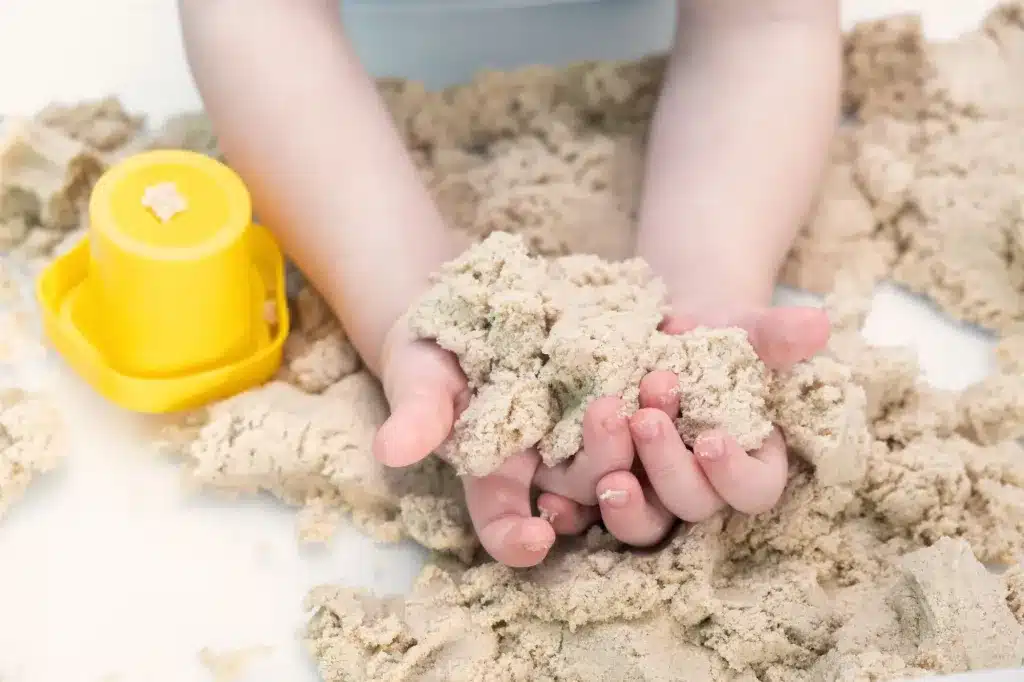
Your child and I meet in the playroom. The room has carefully chosen toys, art materials, a sand tray and games. Your child leads, choosing what to play with, while I watch, reflect and respond. Over time, the themes in their play show what is on their mind, and the play itself becomes the way they work it through.
It looks like play because it is. That is the point.
Ages
Play therapy works best for children aged 3 to 12. Teens usually prefer talking, and I work with them using CBT and mindfulness. See child and teen therapy.
The playroom near Tigard
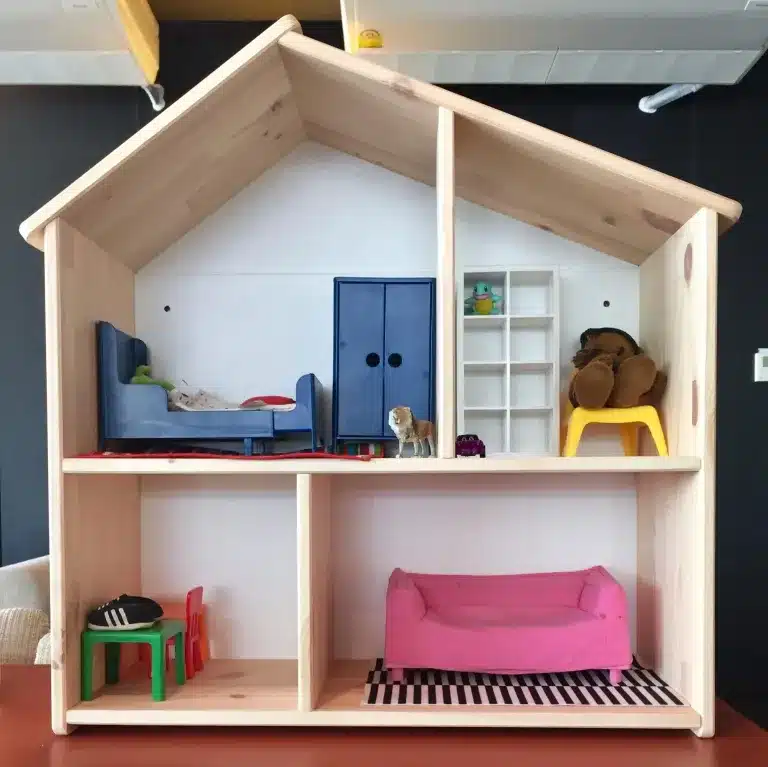
The playroom is at my office at 15405 SW 116th Ave, Suite 202A, King City, OR 97224, a few minutes from central Tigard, and close to Tualatin, Sherwood and Lake Oswego. It is a warm, inviting space designed to help children feel safe and at ease. My office hours are Tuesday, Wednesday and Friday 10am to 6pm, and Saturday 10am to 3pm.

In person or telehealth?
For children aged 3 to 12, play therapy works best in person, in the playroom. Telehealth works well for parent sessions, and for teens, anywhere in Oregon.
What play therapy can help with
- Anxiety, worries and fears
- Anger, meltdowns and big feelings
- Sadness and withdrawal
- Behavior changes at home or school
- Divorce and family changes
- Moving, including moving between countries
- Grief and loss
- Trauma and frightening experiences
- Friendship and social difficulties
How parents are involved
You are an essential part of your child’s healing. I start by meeting with you to understand your child’s history, your concerns and your goals. As we go, I keep you informed about themes and progress, and I offer guidance on how to support your child at home.
As a mother of five children who grew up across several countries, I understand how complex childhood can be. Every child carries a story shaped by their family, their culture, their experiences and their temperament, and I bring that understanding into the playroom.

Frequently asked questions
What age is play therapy for?
Play therapy is designed for children aged about 3 to 12, when play is still the most natural way for them to communicate. Younger children may begin with more parent involvement. As children reach their teens, most prefer talking, and I adapt the approach to suit them.
How many sessions will my child need?
Every child is different, so I can’t give a set number. Most children come weekly. After the first few sessions, we talk about what I am seeing and agree on a plan, and we keep reviewing progress together so you always know where things stand.
Will you tell me what happens in sessions?
I share the themes I see in your child’s play, how they are progressing, and anything that affects their safety. I keep the details of the play private so your child can trust the room is theirs, and I explain this balance, including when the law permits or requires me to act or report, at the start.
Is play therapy evidence-based?
Play therapy is a well-established, research-supported approach for helping children with anxiety, behavior and emotional difficulties. Like any therapy, it helps some children more than others, and I will talk honestly with you about progress.
Is play therapy covered by insurance?
Often, yes. Play therapy is usually billed as outpatient counseling for a child, which many plans cover when it is medically necessary. I check your specific coverage with you before your child’s first session.
Can play therapy be done online?
For children aged 3 to 12, play therapy works best in person, in the playroom. I offer telehealth for parent sessions and for teens anywhere in Oregon, and we can talk about the best option for your family.
Your child does not have to struggle alone
Call 503-495-5072 or send a message for a free phone consultation. We will talk about what is going on and whether play therapy is the right fit. I have a few openings at the moment, and when I am full I keep a waiting list.
Send a message
I will get back to you to arrange a free phone consultation.