
Somatic trauma therapy in Tigard and King City
Trauma is not only something we remember. It can live in the body. Somatic trauma therapy helps you work with both, at a pace that feels safe.
Susan Robens, Licensed Professional Counselor (LPC), Oregon. About Susan
- Trained in Cognitive Processing Therapy (CPT)
- Certified in Somatic Trauma Therapy

What is somatic trauma therapy?
After something overwhelming, the body often stays on alert long after the danger has passed. You might notice a racing heart, a tight chest or stomach, a startle that comes too fast, trouble sleeping, or a numbness that will not lift. Talking about what happened does not always reach those responses.
Somatic trauma therapy pays attention to what is happening in your body as well as to your thoughts and memories. In sessions, we slow down and notice sensations, practice grounding, and help your stress response settle. The aim is not to relive what happened. It is to help your body learn that it is safe now, a little at a time.
Who it can help
Somatic work may help if you:
- feel on edge, jumpy or unable to relax, even when nothing is wrong;
- feel numb or disconnected from yourself or others;
- have tried talking therapy and understood a lot, but still feel stuck in your body;
- find it hard to put your experience into words;
- live with anxiety, panic or tension that seems to come from nowhere.
I use somatic trauma therapy with adults, often alongside counseling for adults. With younger children, play therapy is usually the better fit, because play already works through the body and the senses. Play therapy

What a session looks like
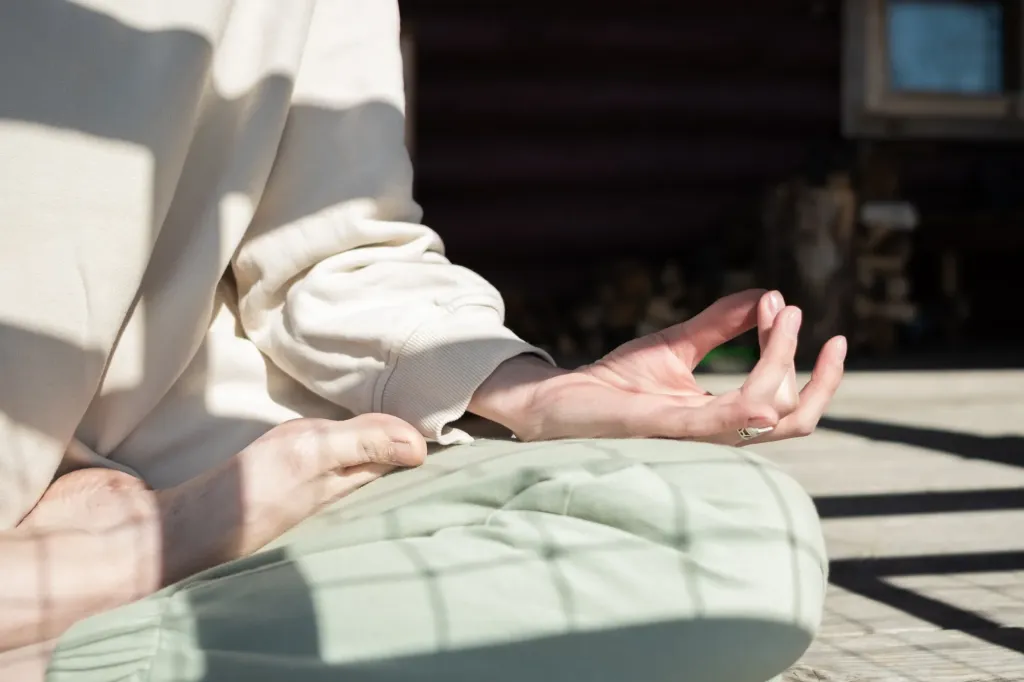
Sessions are conversations, with pauses to notice what is happening inside. I might ask what you feel in your body as you talk about something, invite you to notice your feet on the floor or your breathing, or help you move your attention between something difficult and something steady. You stay in charge. We only go as far as you want to, and we stop whenever you need to.
Somatic trauma therapy with me does not involve touch.
How it fits with other approaches
Somatic work can be the main focus, or it can sit alongside other approaches:
- Cognitive Processing Therapy (CPT): a structured treatment for PTSD that works with the beliefs trauma leaves behind. Some people find the two complement each other. CPT
- Mindfulness: present-moment awareness, which is part of every session. Mindfulness-based therapy
- CBT: practical tools for the thoughts and habits that trauma can disrupt.
We decide together what fits you. Trauma and PTSD therapy

My training
I am certified in Somatic Trauma Therapy, and I am trained in CPT.

In person or telehealth
Sessions are at my office at 15405 SW 116th Ave, Suite 202A, King City, OR 97224, a few minutes from central Tigard, or by secure video anywhere in Oregon. Many people find in-person sessions easier for body-focused work, but telehealth can work well too. Telehealth Office hours: Tuesday, Wednesday and Friday 10am to 6pm; Saturday 10am to 3pm.
Frequently asked questions
Does somatic therapy involve touch?
Not with me. We work through attention, breathing, movement you choose, and conversation.
Is somatic therapy evidence-based?
Body-focused approaches to trauma are a growing area of research, and they are often used alongside established treatments such as CPT. I will talk honestly with you about what we know, and we review together how it is working for you.
What is the difference between somatic therapy and EMDR?
Both work with how trauma is stored. EMDR uses bilateral stimulation, such as guided eye movements, to help the brain reprocess memories. Somatic trauma therapy works directly with body sensations and the stress response. I offer somatic trauma therapy and CPT, not EMDR.
Will insurance cover it?
Somatic trauma therapy is part of my counseling sessions, which are billed as outpatient counseling, so the plans above apply. I check your coverage with you before we start.
Can I do it online?
Yes, anywhere in Oregon. Some people prefer in person for this kind of work, and we can talk about what suits you.
Ready to talk?
If your body is still carrying what happened, you do not have to keep carrying it alone. Call 503-495-5072 or send a message for a free phone consultation. I have a few openings at the moment, and when I am full I keep a waiting list.
Send a message
I will get back to you to arrange a free phone consultation.